

Why Gutter Installation Matters in Arkansas
Gutter installation is a critical component of home protection, especially in Arkansas, where weather conditions can be uncertain and extreme. The right gutter systems help manage rainwater, preventing water damage to your home’s foundation, walls, and roof. In Arkansas, where heavy rainfall is frequent, especially in areas like Little Rock and Fort Smith, having a reliable gutter system is essential.
Arkansas experiences a warm and moist climate, with hot summers and mild winters. This means the state sees a lot of rain throughout the year, and sudden storms can bring intense downpours. Without proper gutter installation, water can overflow, leading to erosion, basement flooding, and even structural damage. In regions like the Ozark Mountains, the topography can make water runoff more difficult, requiring tailored solutions.
Homeowners in Arkansas need to understand the importance of skilled installation. A well-installed gutter system ensures that water is directed away from the home efficiently. This is especially important in areas like the Fayetteville region, where hail and wind can cause additional stress on roofing and gutter systems. Spending in quality gutter installation is not just about preventing damage—it’s about protecting your home and its value.
Common Gutter kinds Used in Arkansas
When it comes to gutter installation in Arkansas, the kind of gutter system you opt for can greatly impact its functioning. Two of the most frequent types are K-shaped gutters and semi-circular gutters. K-profile gutters are favored due to their modern design and ability to contain more liquid, making them suitable for regions with heavy rainfall. These gutters are frequently constructed from components like aluminium or metal, which are robust and suited for the Arkansas environment.
Half-moon gutters, meanwhile, have a more traditional appearance and are commonly used in historic or older homes. While they may not hold as much liquid as K-style gutters, they may still be effective when adequately installed. In Arkansas, where the weather can be variable, the option of gutter kind should be determined by the specific needs of the home and the regional conditions.
Metal gutters are another well-liked option in Arkansas. They are famous for their robustness and longevity, making them a solid option for homes in areas with common tempests or heavy rainfall. Aluminium, iron, and copper are the most frequent metallic materials used. Each has its own benefits—aluminum is light and resistant to corrosion, steel is powerful but may necessitate more care, and metal gives a distinct appearance that can enhance a home’s curb appeal.
In the Arkansas area, the weather plays a crucial part in deciding which gutter kind is ideal. For case, in the Hot Springs zone, where heat changes are frequent, metallic gutters can handle the stress of altering conditions. In regions like Fort Smith, where heavy rain is common, K-shaped gutters may be the optimal option due to their greater rainwater capacity.
Best Materials for Gutter Installation in Arkansas
Choosing the right materials for gutter installation in Arkansas is crucial to ensuring long-term performance and durability. Aluminum is one of the most popular choices due to its lightweight nature, resistance to rust, and affordability. It is well-suited for the Arkansas weather, which can range from heavy rain to occasional hail. Aluminum gutters are also easy to install and maintain, making them a practical option for many homeowners.
Metal gutters are another option, known for their strength and ability to withstand harsh weather. However, they are more prone to rust and corrosion unless coated with a protective finish. In Arkansas, where the climate can be humid and rainy, steel gutters may require more maintenance than other materials. That said, they can be a good choice for homes in areas with extreme weather conditions.
Metal gutters are a premium option that offers both durability and aesthetic appeal. They are resistant to corrosion and can last for decades with minimal maintenance. While they are more expensive than aluminum or metal, brass gutters can add a unique touch to a home’s exterior. In the Arkansas region, where the climate can vary, copper gutters are a reliable choice for homeowners who want both functionality and style.
The Arkansas weather, with its mix of rain, temperature fluctuations, and occasional storms, makes material selection even more important. Sheet metal is often the go-to choice for its balance of cost, durability, and performance. In areas like the Ozark Mountains, where the terrain can affect water flow, the right material can make a big difference in how well the gutter system functions.
Climate Considerations for Gutter Installation in Arkansas
Arkansas is known for its changing weather, which can have a significant impact on gutter installation. The state experiences intense rainfall, especially during the spring months, which can lead to water collection and potential damage if gutters are not correctly installed. In areas like Little Rock and Fort Smith, where rainfall is common, it’s vital to ensure that gutters are configured appropriately and positioned to handle considerable volumes of water.
Thermal variations in Arkansas can also influence the operation of gutters. During the winter months, icy temperatures can lead to ice dams, which can lead to water overflow and damage. In the Warm Springs area, where temperature fluctuations are greater common, gutters must be created to handle both intense rain and the potential for frozen collection. This means choosing materials that can withstand these conditions and making sure that the installation includes proper insulation and drainage solutions.
Weather harm is another concern for residents in Arkansas. The state is prone to thunderstorms, which can carry strong winds and heavy rain. In areas like Fayetteville, where ice pellets and wind are more frequent, gutters must be strengthened to withstand these conditions. A skilled installation that takes these elements can help stop damage and ensure that the gutter system functions efficiently throughout the year.
In the Arkansas zone, comprehending the local weather is important when organizing for gutter installation. No matter it’s managing with the intense early summer rains in Little Rock or the heat fluctuations in Hot Springs, the right strategy to installation can make a significant impact in the longevity and efficiency of the gutter system.
The Gutter setup in Arkansas
Professional placement is key to ensuring that your gutter system functions properly in Arkansas. The process typically begins with measuring the home’s perimeter to determine the length and number of gutters needed. This step is crucial, as inaccurate measurements can lead to gaps or overlaps that compromise the system’s effectiveness.
Once the measurements are taken, the next step is to install the gutters. This involves securing them to the fascia board using brackets and fasteners. In Arkansas, where weather conditions can vary, it’s important that the setup is done with care to prevent future issues. For example, in the Ozark Mountains, where the terrain can be uneven, the setup process may require additional adjustments to ensure proper water flow.
Downspouts are then placed to direct water away from the home. The position of downspouts is critical, as they must be positioned to carry water to a safe distance from the foundation. In areas like the Fayetteville region, where hail and wind are common, downspouts should be reinforced to prevent damage. Proper installation of downspouts also helps prevent water from pooling near the home, which can lead to erosion and foundation problems.
After the gutters and downspouts are in place, the final step is to test the system. This involves running water through the gutters to ensure that it flows smoothly and is directed away from the home. https://fort-smith-ar.agmguttershorsehoebend.com/ In Arkansas, where the climate can be unpredictable, a thorough test is essential to identify any potential issues before the rainy season begins.
For Arkansas homes, the placement process should be handled by experienced professionals who understand the local climate and topography. Companies like AGM Gutters have the knowledge needed to ensure that your gutter system is set up correctly and will perform well for years to come.
Expense of Gutter Installation in Arkansas
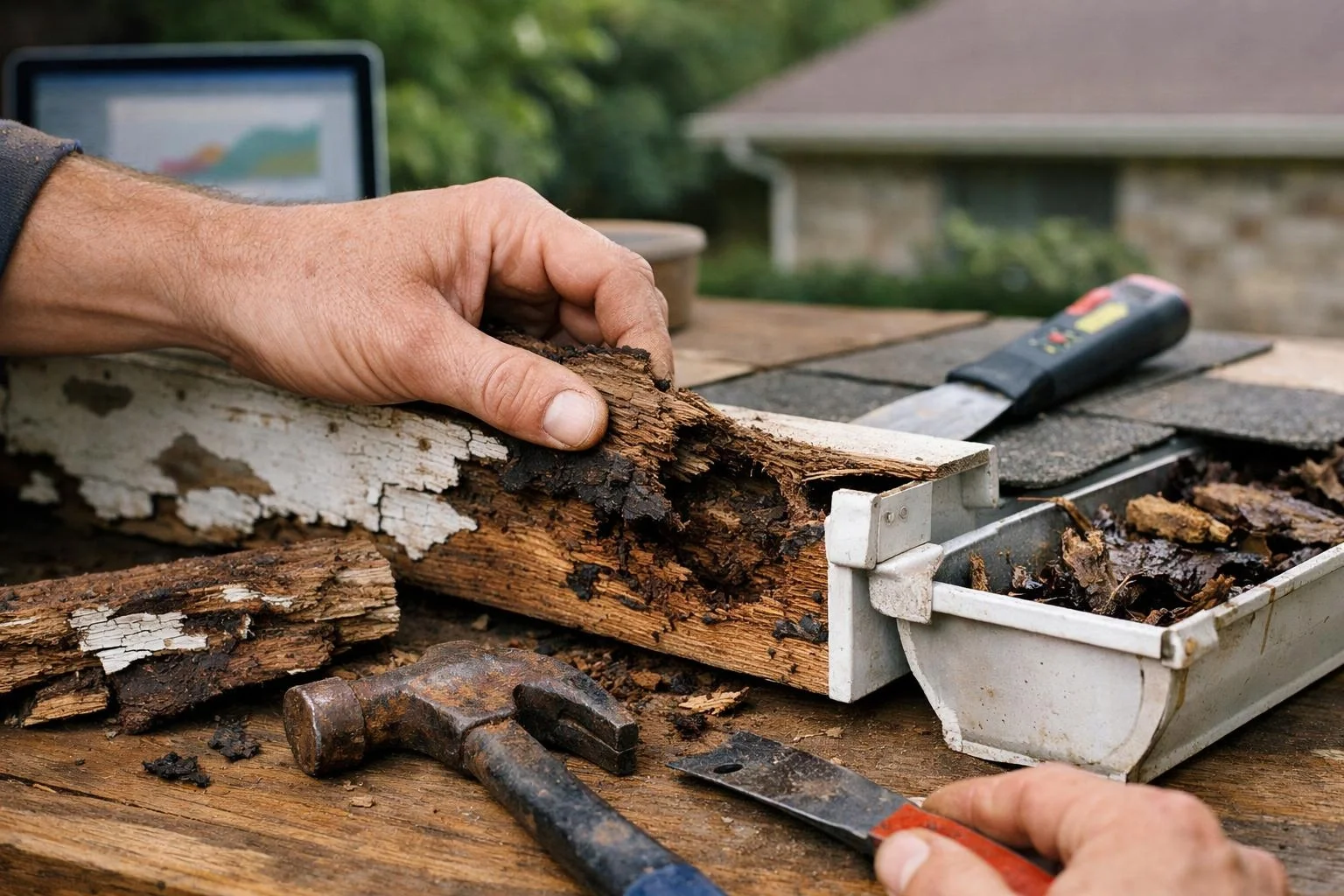
The price of gutter installation in Arkansas can vary depending on several considerations, including the type of materials used, the size of the home, and the complexity of the installation. On average, property owners can expect to pay between $5 and $15 per linear foot for experienced installation. This range accounts for both materials and labor, with the total cost depending on the exact requires of the home.
Material costs are a major factor in the overall price. Aluminum gutters are generally the most affordable option, while steel and copper can be more high-priced. In Arkansas, where the climate can be harsh, investing in higher-caliber materials may be more cost-reliable in the long run. For example, in the Hot Springs area, where temperature fluctuations are frequent, durable materials like steel or copper may be a better selection, even if they come with a higher upfront cost.
Labor expenses also play a role in the total cost. Professional installation makes sure that the setup is installed properly and functions as intended. In areas like the Ozark Mountains, where the terrain can be challenging, labor costs may be higher due to the additional time and effort required. Similarly, in the Fayetteville region, where hail and wind are common, the installation process may require extra precautions, which can affect the overall price.
Homeowners in Arkansas should also consider the long-term value of their investment. While a lower-cost option may seem appealing, it’s important to weigh the potential for future repairs and replacements. In the Arkansas region, where the weather can be unpredictable, a well-installed gutter system can save money in the long run by preventing damage and reducing maintenance needs.
Gutter upkeep Guidelines for Arkansas homeowners
Maintaining your gutter setup is crucial to ensuring it functions well in Arkansas. The region encounters significant rainfall particularly in areas like Little Rock and Fort Smith, which indicates gutters can get clogged with plant matter, trash, and other substances. Ongoing maintenance is important to avoid blockages that can lead to water overflow and injury to the house.
The washing schedule for gutters in Arkansas depends on the nearby area. Homes close plants or in regions with great vegetation may need more ongoing washing, particularly during the season when plant matter are plentiful. In the Ozark Ranges, where the landscape can affect liquid movement, it’s crucial to inspect gutters greater regularly to guarantee they are functioning as designed.
Blocked gutters can lead to a variety of issues, like roof damage, foundation issues, and underground waterlogging. In the Fayetteville zone, where frost and wind are frequent, blocked gutters can be particularly difficult. Water that isn’t properly directed away from the home can trickle into the base, resulting in prolonged injury. Frequent maintenance assists avoid these issues and ensures that the gutter setup maintains to function well.
In the Arkansas zone, homeowners should additionally inspect their gutters for signs of damage and tear. This includes reviewing for spills, cracks, and unfastened fasteners. In areas like Hot, where heat changes are common, substances can grow and shrink, resulting to likely harm. Dealing with these problems early can prevent more costly fixes in the future.
Arkansas Building Codes for Gutter Installation
Gutter installation in Arkansas must comply with local building codes and standards to ensure protection and operation. These codes are designed to protect homeowners and maintain the strength of the community’s system. Grasping and adhering these regulations is critical for anyone intending to install or renew gutters.
Arkansas rules require that gutters be mounted in a way that guides water away from the home’s base. This includes correct slope and position of water channels. In locations like Little Rock and Fort Smith, where significant rainfall is common, adherence with these codes is specifically crucial to stop water harm and wear.
Local codes also determine the materials that can be used for gutter placement. For case, some areas may demand particular types of alloy or components that are immune to the regional weather. In the Ozark Ranges, where the landscape can be hard, the codes may contain additional conditions to confirm that gutters can handle the unique situations of the region.
Security standards are another vital feature of Arkansas building codes. Contractors must adhere adequate security procedures to protect both themselves and the homeowner. This includes using correct gear and techniques to prevent problems during the setup procedure. In the Fayetteville location, where hail and breeze are frequent, these standards help confirm that gutters are mounted in a way that can resist severe climate.
Licenses may be needed for gutter installation in some regions of Arkansas. Residents should examine with local officials to determine if a approval is needed before commencing the work. This action helps ensure that the placement meets all required conditions and stops possible court challenges. In the Hot Spring region, where temperature variations are common, licenses may be required to ensure that the setup is executed correctly and securely.
What are the most common types of gutters used in Arkansas?
In Arkansas, k-profile gutters and semi-circular gutters are the most common types used for residential installations. K-profile gutters are popular due to their ability to hold more water, making them ideal for areas with heavy rainfall. Semi-circular gutters, on the other hand, offer a more traditional look and are often used in older homes or in regions with specific aesthetic preferences.
How do climate conditions in Arkansas affect gutter installation?
The climate in Arkansas, with its heavy rainfall and temperature fluctuations, plays a significant role in gutter installation. Areas like Little Rock and Fort Smith experience frequent spring rains, which require gutters to be sized correctly and installed with proper slope. In the Hot Springs area, where temperature swings are common, components and procedures must be chosen to withstand these conditions.
What materials are best suited for Arkansas weather?
Aluminum is one of the best materials for gutter installation in Arkansas due to its lightweight nature, resistance to rust, and affordability. Steel and copper are also options, with steel offering strength and copper providing durability and aesthetic appeal. The choice of material should be based on the specific climate and needs of the home.
What is the typical cost of gutter installation in Arkansas?
The average cost of gutter installation in Arkansas ranges from $5 to $15 per linear foot, depending on components and work. Aluminum-made gutters are typically the most affordable, while steel and copper can be more expensive. Work costs may also vary depending on the complexity of the installation and the local climate conditions.
What are the steps involved in professional gutter installation?
Professional gutter installation in Arkansas typically begins with measuring the home’s perimeter to determine the length and number of gutters needed. The gutters are then installed using brackets and fasteners, followed by the setup of downspouts to direct water away from the home. A final evaluation is conducted to ensure the system functions properly and handles the local weather conditions effectively.